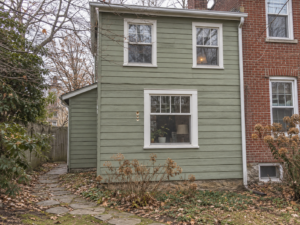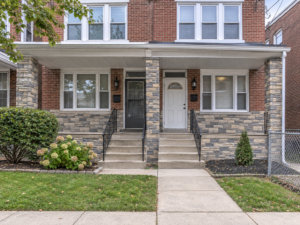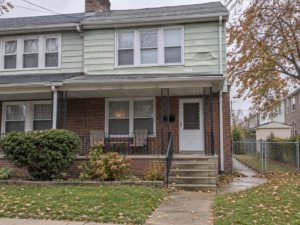
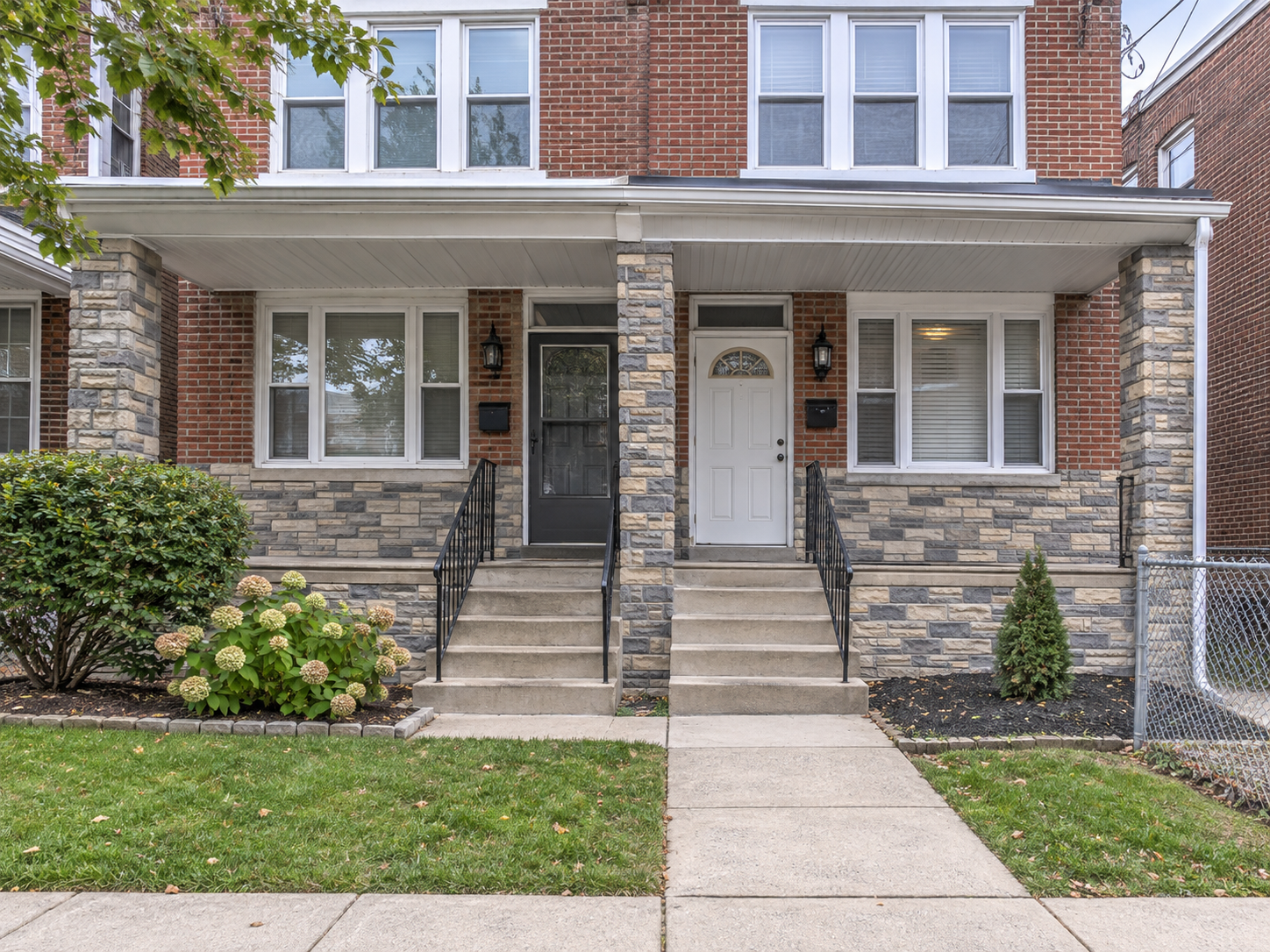
Stone veneer adds a classic look to foundation walls, porches and front facades. We see it on homes across Northeast Philly, Roxborough and Chestnut Hill.
The stone looks solid, but water gets behind it. So the layers you never see matter most.
Why Stone Veneer Needs a Drainage Plan
Manufactured stone absorbs water like a sponge. ASTM standards cover the water barrier, lath and mortar used behind adhered stone.
- No gap for drainage. Water trapped behind stone rots sheathing.
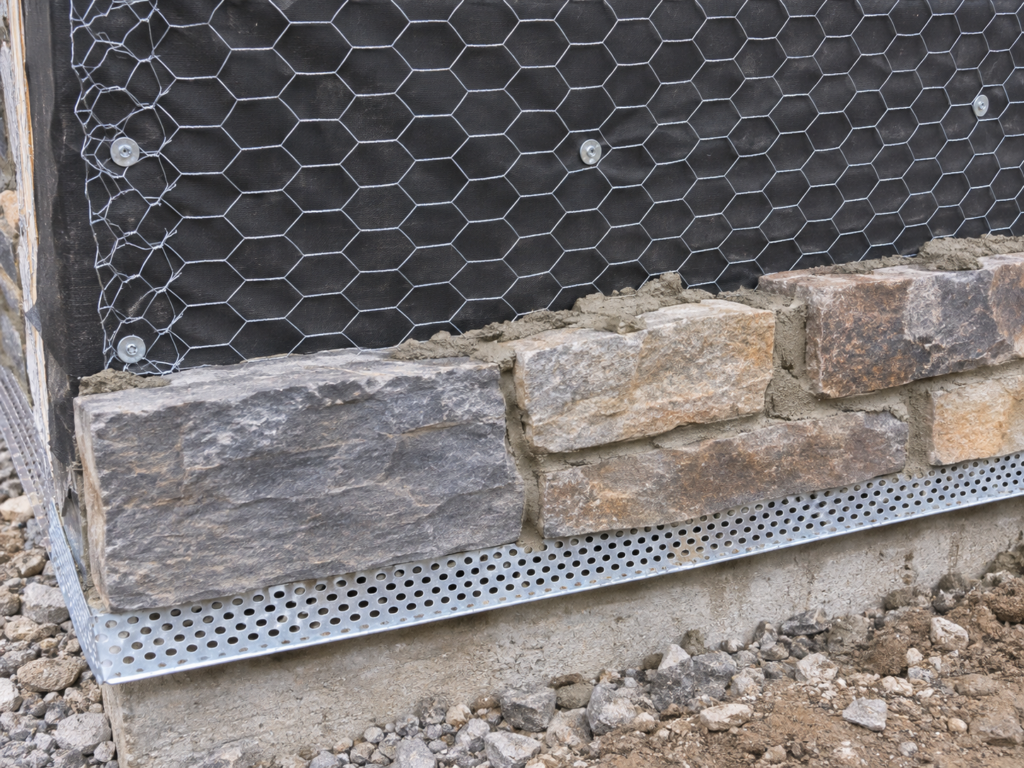
- Missing weep screed. Water cannot exit at the base.
- Poor flashing. Windows and doors leak into the wall.
What a Stone Veneer Installation Includes
We photograph each layer before stone goes on. As a result, you can see the drainage behind the wall.
- Two layers of water-resistive barrier.
- A drainage mat or gap behind the scratch coat.
- Galvanized lath fastened into framing.
- Weep screed at least 4 inches above soil.
- Flashing at windows, doors and roof lines.
Repair Stone Veneer or Replace It?
A targeted repair makes sense when cracks are small and the wall behind is dry. Instead, full replacement makes sense when moisture readings are high or the base has no weep screed.
Warning Signs of Stone Veneer Problems
- Stains or bubbling paint inside near the wall.
- Stone that touches soil or mulch.
- Cracks around windows and corners.
- White salt deposits on the stone.
Frequently Asked Questions
Is manufactured stone a good choice? Yes, when installed with proper drainage.
Can veneer go over brick? Often, with the right prep and anchoring.
How long does it last? Fifty years or more when water can drain.
Plan Your Stone Veneer Project
Learn about our siding installation, our window replacement, or contact our team.