Choosing the Right Window Frame Color for Your Exterior is a practical planning question for property owners in Philadelphia. The right approach depends on the existing conditions, the way the space or system is used, and how the proposed work interacts with surrounding materials. Understanding those details early helps prevent a cosmetic decision from creating a larger construction, maintenance, or code problem later. That review should happen before demolition, fabrication, or installation begins.
Frame Color Alters the Perceived Opening
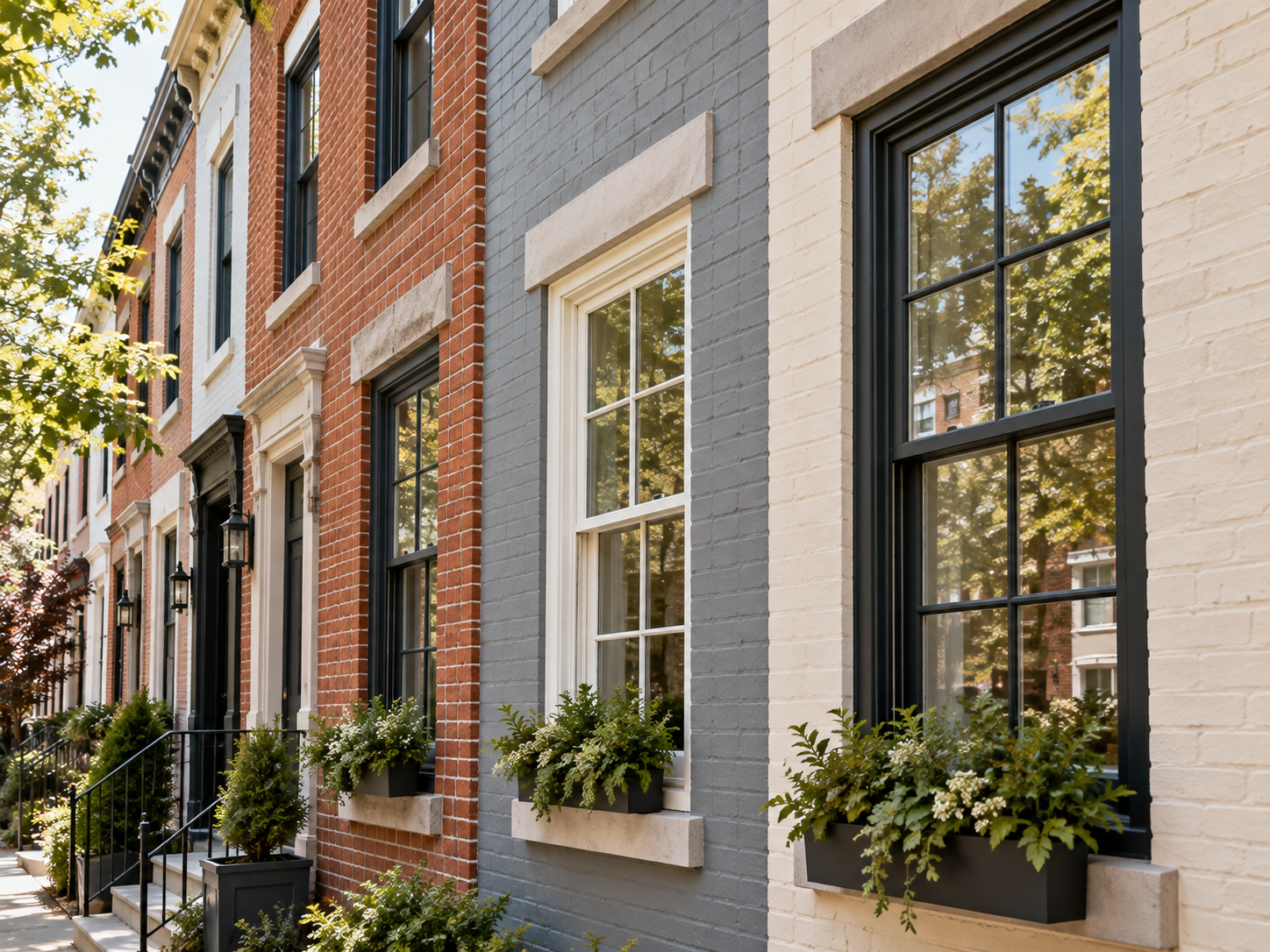
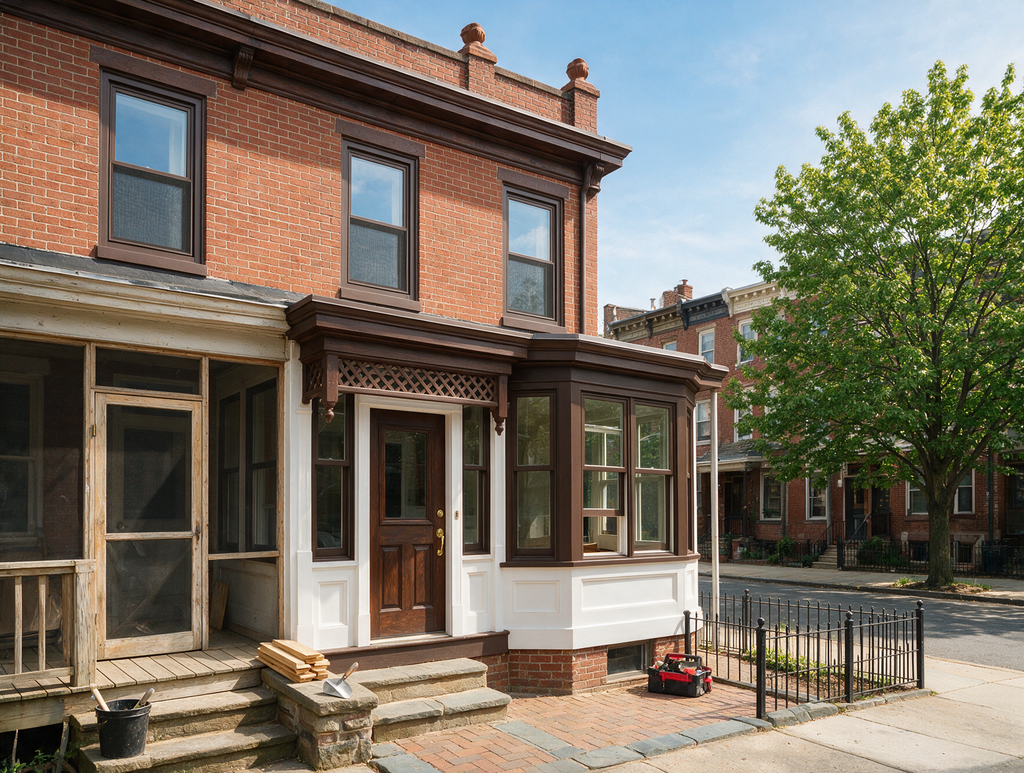
Dark frames can create a crisp outline and emphasize window geometry, while light frames may blend with trim and make the opening feel broader. The effect changes from the street, indoors, and at different times of day. Evaluate color beside the actual siding, masonry, stucco, roofing, and trim rather than against a white showroom wall.
Coordinate Interior and Exterior Finishes
Some products offer different colors inside and outside, which can solve a facade concern without forcing the same choice in every room. Interior casing, blinds, screens, hardware, and wall colors affect the view from indoors. Exterior grids and mullion patterns should also align with the home’s proportions.
Account for Heat and Product Limitations
Very dark finishes can absorb more solar heat, and manufacturers may limit certain colors by material, exposure, or product line. Factory-applied finishes generally perform differently from field painting. Review approved combinations and warranty conditions before specifying a custom exterior color.
Use Samples at Full Scale
Small chips can make strong colors appear less dominant than they will across several windows. Place larger samples at different elevations and view them from the sidewalk and interior. A coordinated schedule should record frame, sash, screen, hardware, flashing, capping, and sealant colors to prevent mismatched components.
Questions to Resolve Before Work Begins
Before work begins, document the existing condition and confirm which decisions require a licensed trade, design professional, permit, inspection, or manufacturer review. Ask how the proposed work connects to adjacent materials and building systems, which areas need temporary protection, and what access must remain after completion. A clear written scope should also explain how concealed conditions, substitutions, schedule changes, cleanup, and final testing will be handled. Keep product instructions, approved drawings, inspection records, photographs, and final selections together with the property documents. These records help future owners and service professionals understand what is behind finished surfaces and which maintenance practices are appropriate for the completed work.
Planning the Next Step
Property owners should compare the visible condition with the broader assembly, confirm any permit or manufacturer requirements that apply, and document the proposed scope before materials are ordered. Guidance from Fenestration and Glazing Industry Alliance can help frame the technical questions, while an on-site evaluation determines what is appropriate for the individual property. Contact Philadelphia Exterior Contractors to discuss siding or window conditions, material options, and the exterior improvements appropriate for your Philadelphia property.
Learn more about window replacement.