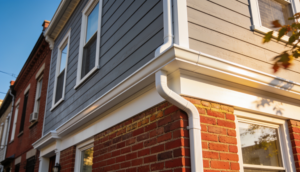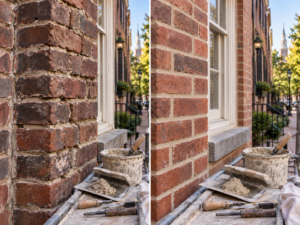
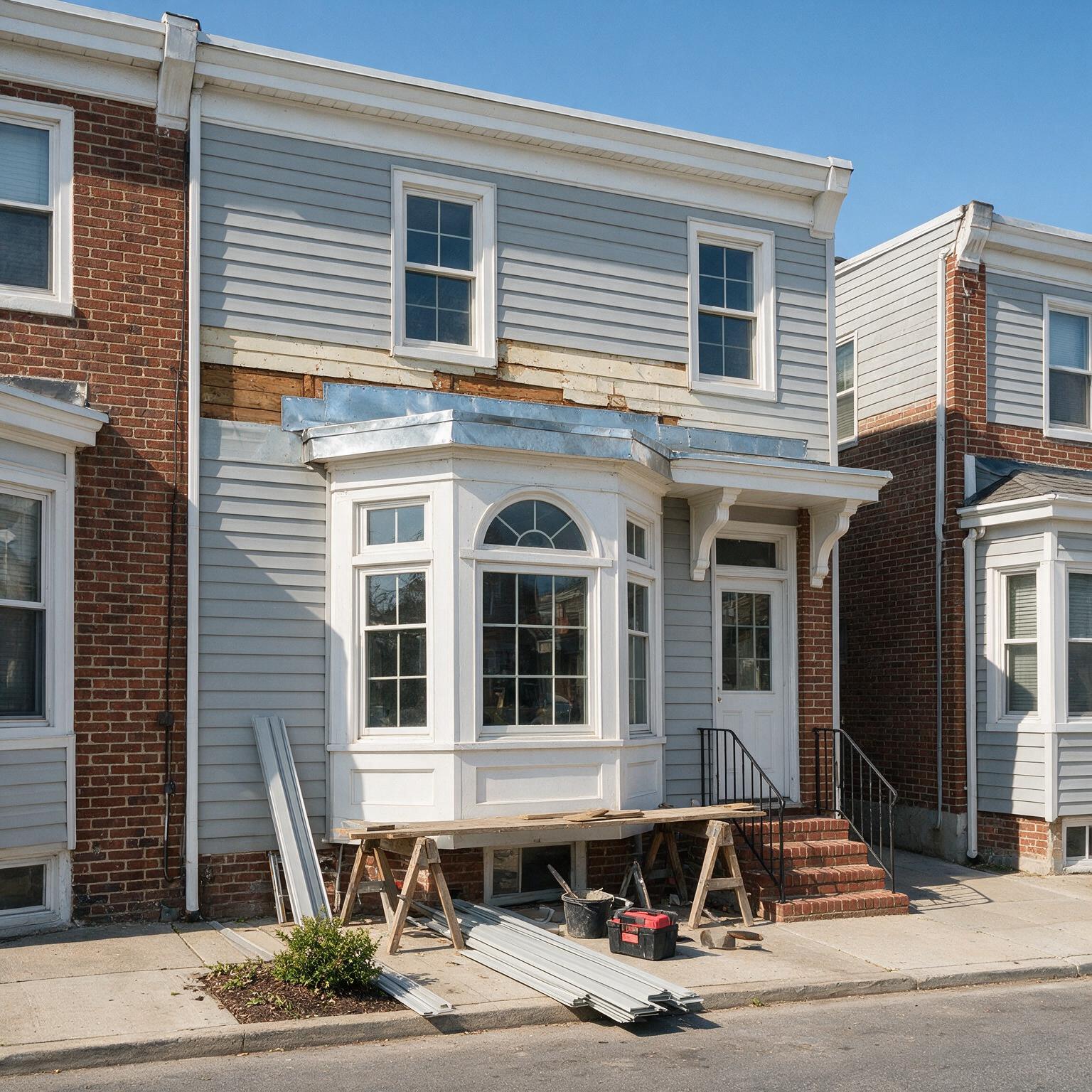
Bay windows and rear bump-outs concentrate many exterior transitions into a small surface: window heads, corners, siding ends, small roof caps, masonry connections, and lower ledges.
The Visible Symptom Is Only the Starting Point
Fishtown and Port Richmond homes often have bays altered with replacement windows, newer siding, metal capping, or small membrane roofs added during different renovations.
Why Location and Housing Stock Matter
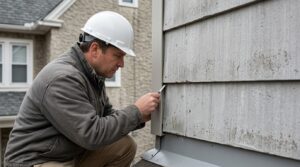
Inspect the top cap or roof, window head details, outside corners, siding terminations, sealants, and the weather-resistive layer where access is available. Interior staining may originate above the visibly damaged panel.
What the Contractor Should Inspect
When siding is removed, check sheathing and hidden water paths before covering the wall again. A cracked panel may be only the visible symptom of a flashing or drainage problem.
Build the Scope Around Long-Term Service
Repair works best when the cladding, trim, flashing, and weather barrier overlap correctly so water can drain outward instead of relying on surface caulk.
Frequently Asked Questions
Can one cracked siding panel cause an interior leak?
It can contribute, but water entry often also involves flashing, trim, or the weather barrier.
Why do bay windows leak at the top?
Small roof caps, head details, wall transitions, and sealants at the upper assembly are common areas to inspect.
Should hidden sheathing be checked?
When moisture is suspected and access is opened, checking the wall behind the cladding helps avoid covering unresolved damage.
Plan the Next Step
Philadelphia Exterior Contractors can repair siding and the flashing, trim, weather-barrier, and waterproofing details that make the replacement last.
Helpful source: City of Philadelphia – Get a Building Permit