How to Spot Wind Damage on Aging Vinyl Siding is a practical planning question for property owners in Philadelphia. The right approach depends on the existing conditions, the way the space or system is used, and how the proposed work interacts with surrounding materials. Understanding those details early helps prevent a cosmetic decision from creating a larger construction, maintenance, or code problem later. That review should happen before demolition, fabrication, or installation begins.
Wind Damage Can Be Subtle
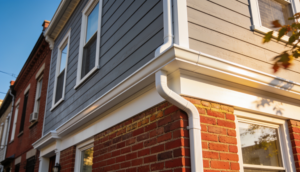
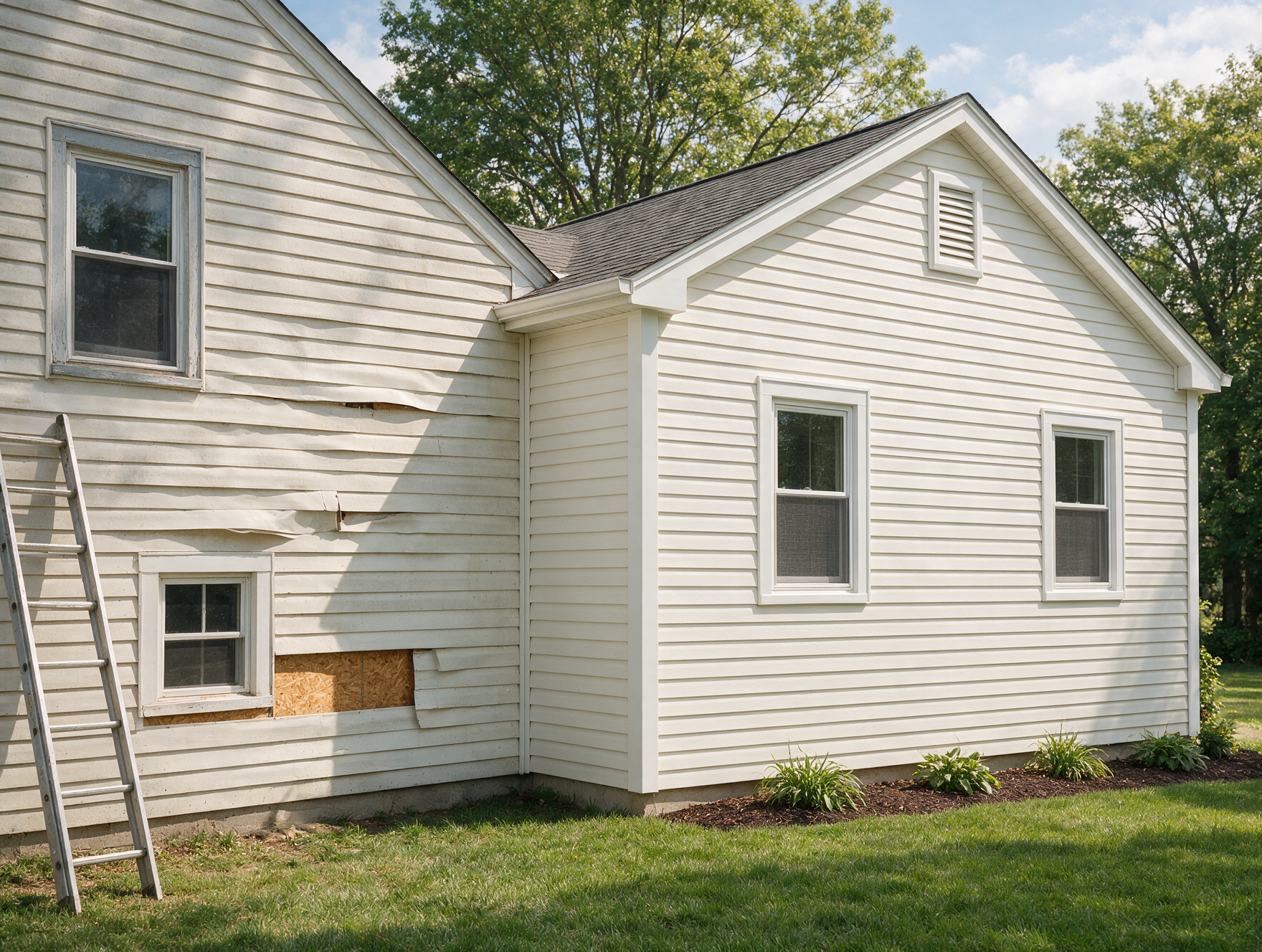
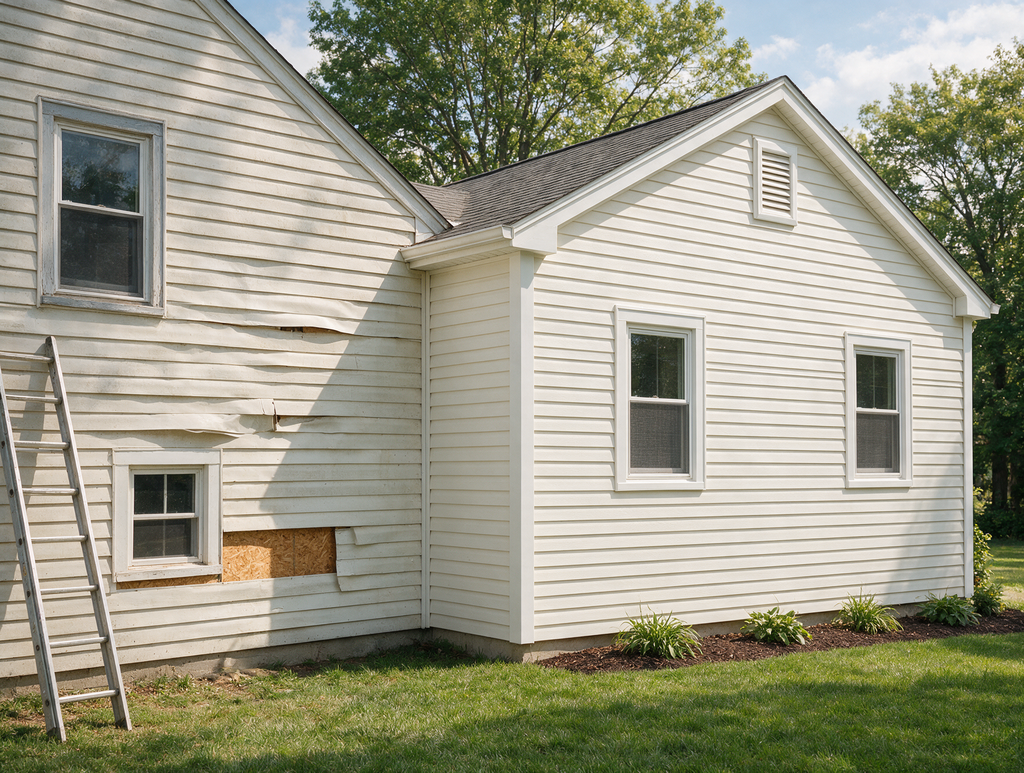
Vinyl siding does not always fall from the wall when its locking edge or nailing hem fails. Panels may rattle, lift at corners, bow, or separate only during gusts. Look along the wall in angled light and compare courses near roof edges, corners, meters, and open exposures where wind pressure is strongest.
Inspect Locks Fasteners and Accessories
A loose course may result from an incompletely engaged lock, cracked nail hem, missing fastener, overly tight nail, or failed trim channel. Reattaching the visible panel without checking surrounding courses can leave the original cause in place. Damaged house-wrap or flashing behind the siding may also need attention before the wall is closed.
Do Not Seal Away Required Movement
Vinyl must slide as temperature changes. Screws through the face, tight caulked ends, or compressed panels can cause distortion and future cracking. Repairs should follow manufacturer spacing, fastening, overlap, and accessory requirements. Matching an older profile and faded color may require taking a sample to a supplier.
Document Storm Conditions Safely
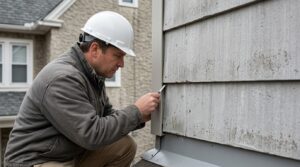
Photograph damage from the ground where possible and note when noise or movement occurs. Avoid ladders during high winds or when panels are loose overhead. An exterior contractor can determine whether the issue is isolated, whether water-resistive layers were exposed, and whether a larger elevation needs systematic re-installation.
Questions to Resolve Before Work Begins
Before authorizing a repair, document when the symptom appears, what changed before it started, and which areas or fixtures are affected. Ask the contractor to separate observation from diagnosis, explain what testing or selective opening is needed, and identify the condition that would change the proposed solution. The written scope should state what is included, how adjacent finishes will be protected, how concealed damage will be handled, and what will be tested before the repair is considered complete. Request photographs of concealed conditions and completed work where access will later be closed. Keep model numbers, material information, test results, permits, and care instructions with the property records so a future service provider can understand what was repaired and how the finished system is intended to perform.
Planning the Next Step
Property owners should compare the visible condition with the broader assembly, confirm any permit or manufacturer requirements that apply, and document the proposed scope before materials are ordered. Guidance from Vinyl Siding Institute installation manuals can help frame the technical questions, while an on-site evaluation determines what is appropriate for the individual property. Contact Philadelphia Exterior Contractors to discuss siding or window conditions, material options, and the exterior improvements appropriate for your Philadelphia property.
Learn more about siding installation.