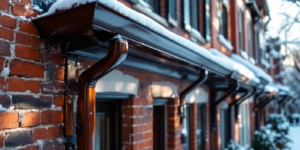
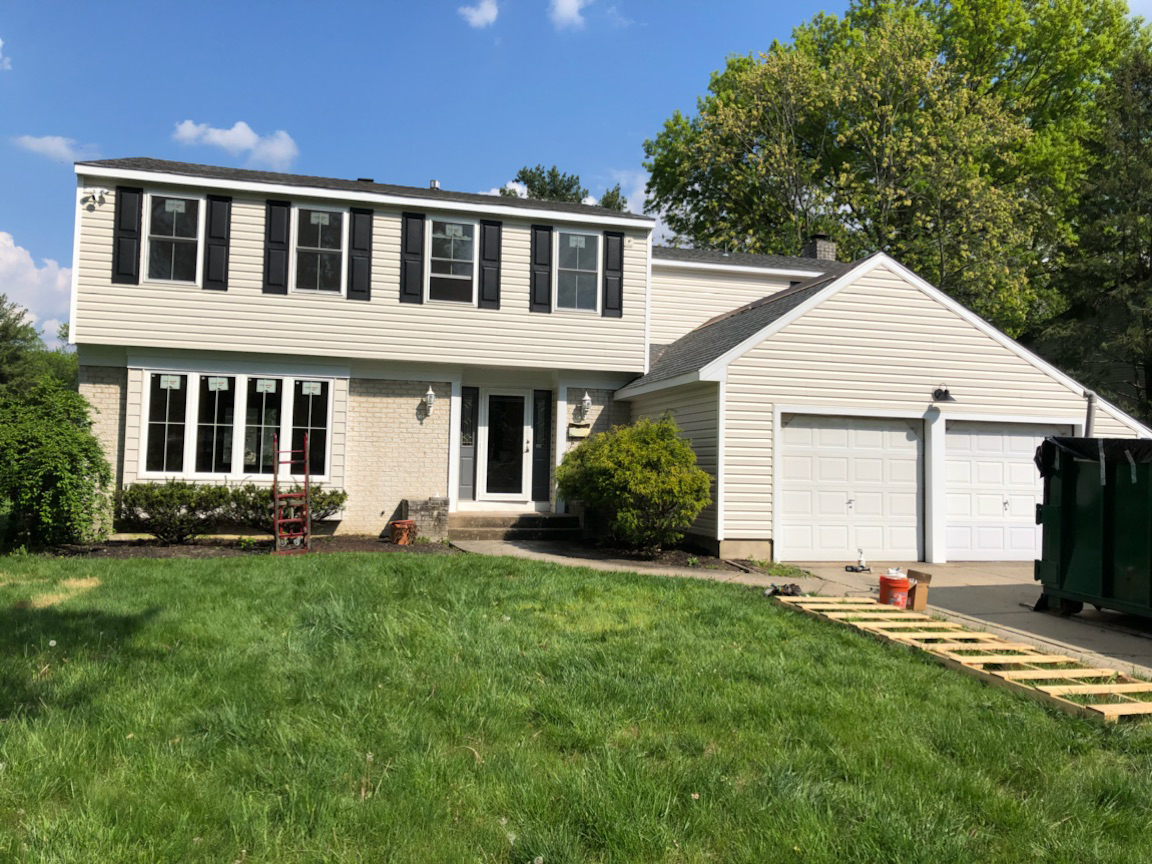
Exterior damage in Philadelphia doesn’t stay outside. Even a small opening behind siding can allow water to enter the wall assembly, saturate sheathing, and eventually cause soft framing, interior stains, and mold risk. That’s why searches like “siding repair Philadelphia”, “exterior contractors near me”, and “trim repair” often come right after the first winter storms.
But here’s the key: the visible damage is often not where the water starts.
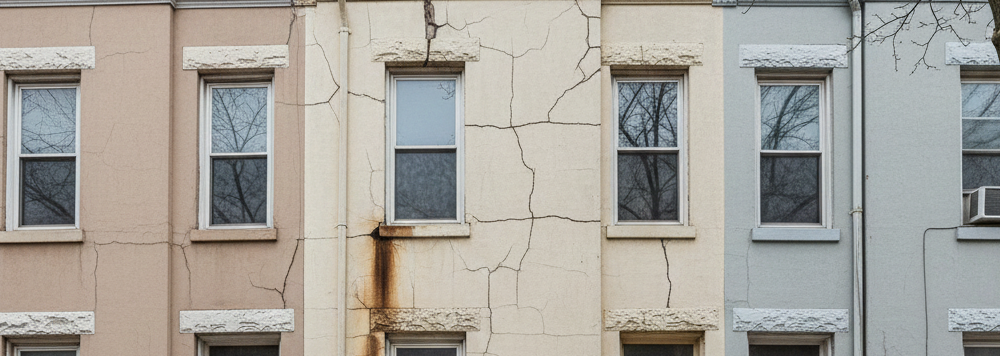
Why siding problems in Philly become expensive fast
Philadelphia homes—especially rowhomes and older twins—often have:
- Layered exterior updates (patchwork repairs over time)
- Aging gutters that overflow into siding seams
- Roof-to-wall transitions that leak behind cladding
- Window trim assemblies that weren’t flashed correctly
Therefore, “replace one board” doesn’t always solve it. Instead, we focus on the system.
Early signs you need siding or trim repair now
These symptoms usually mean water is already interacting with the wall:
- Wavy siding or buckled panels
- Soft trim near windows/doors
- Paint that peels repeatedly in the same exact line
- Black staining below roof edges or gutter ends
- Caulk gaps that re-open each season
- Interior marks that appear after wind-driven rain
If you see two or more of these, schedule an inspection. Because once framing is compromised, costs rise quickly.
The “fix-first” exterior method (report-aligned)
Your reports push service-first content and repair-first campaigns—and exterior work is the perfect match. Here’s the workflow we use:
1) Trace the water path (don’t guess)
Water often enters above the visible damage—like at a gutter corner or roof edge—and then travels behind siding until it finds an exit point. So we inspect up-slope first.
2) Repair the transition details
Common failure points include:
- window head flashing and trim seams
- kick-out flashing (roof-to-wall)
- corner boards and vertical joints
- siding terminations near steps/porches
3) Replace damaged material the right way
We remove compromised sections, replace with matching materials, and rebuild layers so the wall sheds water again.
4) Seal and protect
Where needed, we reinforce sealing and finishing so the repair survives freeze-thaw cycles—especially important during Philly winters.
Why “siding repair” and “gutter repair” often go together
If your gutters overflow, siding will keep taking water. And if siding is open, gutters won’t save you. That’s why we often pair siding repairs with targeted gutter fixes to prevent repeat damage.
Local service areas that see this most
We frequently see siding/trim moisture issues in: Northeast Philly, Roxborough, Manayunk, Germantown, and West Philly, plus rowhome zones where roof edges and porches concentrate runoff.
If you suspect water is getting behind your siding, don’t wait for spring. Schedule an exterior inspection with Philadelphia Exterior Contractors and stop water before it becomes rot.
- OSHA ladder safety (DIY risk) → https://www.osha.gov/laws-regs/regulations/standardnumber/1926/1926.1053