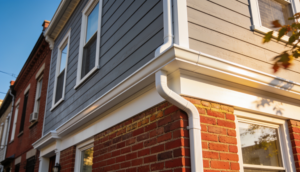

Philadelphia is famous for its iconic brick architecture. From the historic estates in Center City to the endless blocks of classic rowhomes in South Philly, brick is the foundational fabric of our city. While brick is incredibly durable, the mortar that holds it all together is not permanent.
Many local homeowners notice a fine, sandy dust accumulating at the base of their exterior walls, or they see visible gaps where the mortar has completely crumbled away between the bricks. When this happens, property owners often ask what exactly needs to be done. The answer is a specialized masonry repair process known as brick pointing (or repointing). Understanding this process is vital for maintaining the structural integrity and aesthetic charm of your historic property.
Why Does Mortar Deteriorate?
Mortar is intentionally designed to be softer than the bricks it binds. It acts as a flexible joint that allows the massive brick wall to naturally expand and contract as temperatures fluctuate throughout the year. It also acts as a pathway for trapped moisture to safely exit the wall assembly.
However, after decades of exposure to harsh UV rays, driving rain, and brutal winter freeze-thaw cycles, the mortar eventually breaks down. When water enters a tiny crack in the mortar during the fall and freezes during the winter, the ice expands, blowing out chunks of the joint. Once the mortar begins to fail, the structural integrity of the entire wall is compromised, and water is given a direct pathway into your interior plaster and drywall.
The Brick Pointing Process Explained
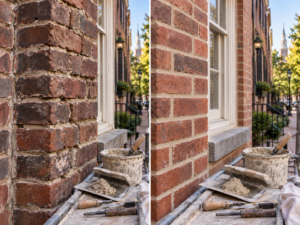
Brick pointing is not a job for a weekend DIYer; it is a highly skilled exterior remodeling trade. The process begins with proper preparation. An experienced mason will use specialized grinders and hand chisels to carefully remove the failing mortar to a uniform depth, taking extreme care not to scratch or damage the fragile historic bricks.
Once the joints are clean and prepped, new mortar is meticulously packed into the gaps. For older homes, it is absolutely critical that the new mortar chemically matches the original. Using modern, ultra-hard Portland cement on a historic brick home is a fatal mistake—the hard cement will cause the softer historic bricks to crack and shatter under pressure (a process known as spalling).
Protecting Your Urban Investment
A professional pointing job restores the waterproof envelope of your property, enhances the classic curb appeal, and ensures your walls will stand strong for another century. If you notice deteriorating mortar, crumbling bricks, or water stains on your interior party walls, you need the expertise of dedicated exterior contractors Philadelphia residents rely on.
Don’t let neglected masonry compromise your historic home. Contact our expert masonry division today to schedule an on-site evaluation and protect your brick exterior.