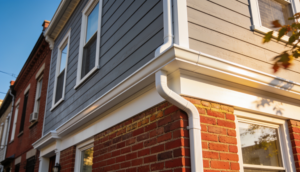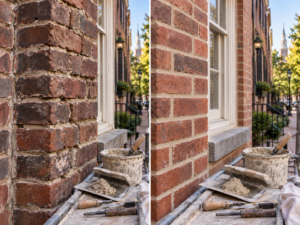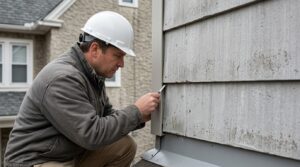
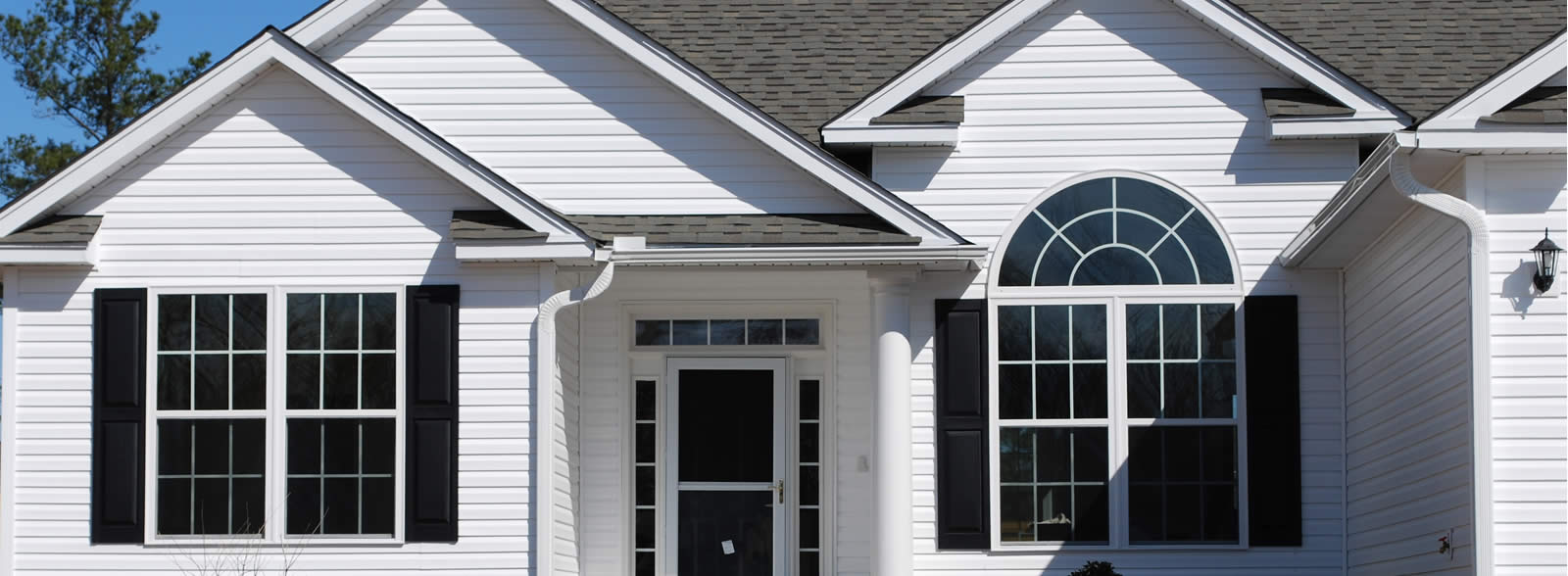
Exterior issues become interior repairs when water finds a pathway. In Roxborough, Manayunk, East Falls, and Northeast Philly, the most common “leak sources” are not dramatic holes—they’re small failures at edges:
- trim boards
- window/door transitions
- flashing gaps
- corner details
- caulk lines that were never meant to be permanent waterproofing
The “stop water first” exterior repair sequence
1) Inspect transitions
Windows, doors, roof-to-wall, and corner trim are frequent entry points.
2) Confirm flashing
Flashing is what moves water out and away. Sealant alone is not a waterproofing strategy.
3) Repair substrate before cosmetics
If the substrate is compromised, new siding won’t solve the problem.
4) Finish with durable exterior materials
Appropriate wraps, trims, fasteners, and paint systems matter.
Mini-FAQ
How do I know if water is coming through the exterior?
Look for staining patterns after heavy rain, soft trim, bubbling paint, or recurring drafts.
- Home: https://philadelphiaexteriorcontractors.com/
- Siding repair page: https://philadelphiaexteriorcontractors.com/siding-repair/
- City of Philadelphia contractor information/verification (helpful for homeowners) (phila.gov)