Before approving a quote related to brick lintel repair signs, identify the decision the contractor is actually being asked to make. Steel lintel rust can produce movement, not just discoloration. A property in Port Richmond may present different access or assembly details from one in Northern Liberties, so a site assessment comes before a standard solution.
Start with the existing condition
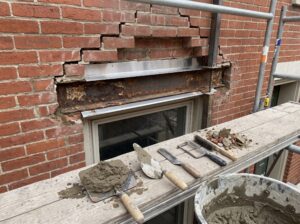
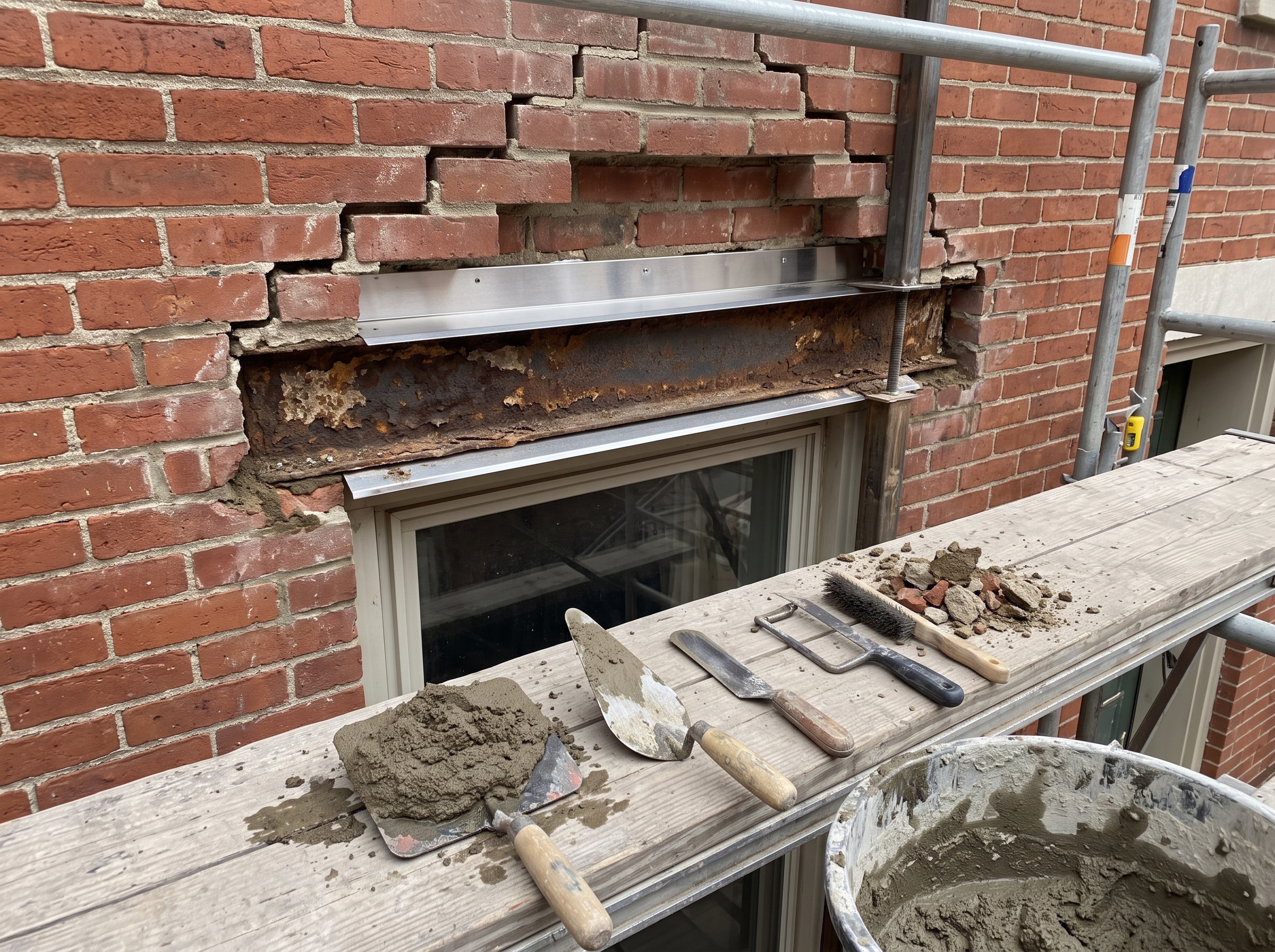
Rust expansion at steel lintels can lift masonry, crack mortar and shift brick above windows. Look for stepped cracks, expanding mortar joints and displacement at the brick immediately above openings. A condition-focused inspection should also record dimensions, adjacent materials, signs of movement or moisture, and whether the assembly can be opened without disturbing a connected system. Photos and a simple field sketch make it easier to compare the proposed work with what is actually installed. If an important component is concealed, the proposal should say whether selective opening or a qualified trade evaluation is needed before the final scope can be confirmed.
What the scope should actually solve
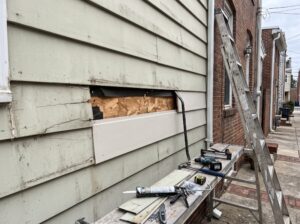
Discuss inspection and structural review where displacement is substantial. Define trade responsibilities at the interfaces. If electrical, plumbing, framing or mechanical work crosses the repair area, sequence those decisions before finishes or fabricated components are ordered.
Avoid a repair that hides the underlying problem
Simply pointing cracked mortar may hide an expanding steel lintel that needs evaluation. Before choosing an approach, ask for the exact condition that the proposed work will correct, the material or equipment compatibility that has been checked, and the condition that would trigger a revised scope. For Philadelphia Exterior Contractors, a useful proposal states the limits of the work as clearly as it states the new installations.
Local permits, inspections and trade coordination
For properties inside Philadelphia, permit needs vary by the scope and type of work. Routine finish work and structural changes may be treated differently, so verify requirements before scheduling demolition. Philadelphia building and repair permit guidance. Check the current requirements for the project address; ask which party will obtain approvals and request inspections. If the work opens existing walls, ceilings or floors, confirm how utilities and adjacent finishes will be protected and restored.
Questions to ask before approving the work
What would change the price or timing? Discuss permits, inspections, manufacturer lead times and any repairs that could only be assessed after opening the assembly.
How will this area be maintained? Make sure drains, valves, access doors, finish transitions and future service points remain usable when the work is complete.
Plan the next step with a written scope
For a project in Port Richmond or Northern Liberties, the best first decision is to define the inspection and repair boundary rather than select finishes too early. Review the relevant exterior siding and masonry services to understand the available service category, then arrange an on-site evaluation with Philadelphia Exterior Contractors. Request a scope that identifies the expected sequence, items to be supplied or selected, protection and cleanup, permit responsibilities, exclusions, and how concealed conditions would be handled through written change approval. A clear plan makes it easier to compare proposals and avoid work that must be reopened after the next trade arrives.